Goat Agency Case Breakdown: What Brands Can Learn from Their Approach
In the current digital marketing landscape, brands are facing more pressure than ever to execute campaigns that deliver both visibility and measurable business results. Influencer marketing, when done haphazardly, can lead to wasted budgets and missed opportunities. This is why many forward-thinking companies are turning to structured solutions like goat agency, which provides a methodical approach to creator-led campaigns while emphasizing performance and scalability. Learn more at this page.
Understanding how goat agency operates provides valuable insights for brands seeking to replicate successful campaigns. Resources such as “Goat Agency Services Explained: What Brands Actually Get (and What They Don’t)” offer a deeper look into the systems, processes, and strategic decisions that underpin their campaigns. By analyzing real examples, brands can learn not just what works, but why it works, allowing them to make more informed marketing choices.
To fully leverage these insights, marketers must also consider how influencer campaigns fit into a wider digital ecosystem. Elements like content optimization, audience targeting, and platform visibility all contribute to campaign outcomes. Concepts such as Search engine optimization (SEO) reinforce the importance of discoverability beyond social platforms, demonstrating how cross-channel strategy amplifies the impact of influencer initiatives.
The Strategic Foundation of Successful Campaigns
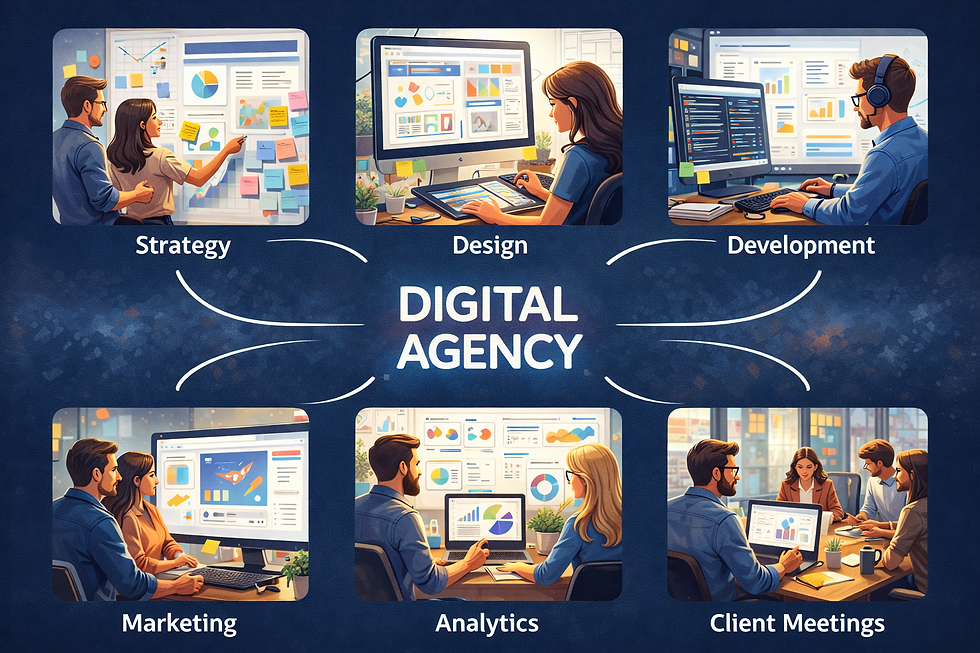
One of the key lessons from analyzing goat agency campaigns is the emphasis on strategic planning. Unlike ad hoc influencer marketing efforts, successful campaigns start with clearly defined objectives and measurable goals. These objectives could range from driving conversions to boosting brand awareness or enhancing long-term customer engagement.
A structured approach involves segmenting audiences, identifying key messaging, and selecting metrics to track performance. By doing so, campaigns are designed with purpose rather than relying on random creative output. This planning phase also ensures that all team members are aligned, reducing inefficiencies and minimizing miscommunication.
Key components of strategic planning include:
Clear definition of campaign goals and KPIs
Audience segmentation based on behavioral and demographic data
Identification of primary and secondary messaging
Establishment of measurable performance indicators
Brands that adopt this approach are better positioned to execute campaigns that not only look impressive but also generate tangible business outcomes.
How Creator Selection Drives Performance
An often-overlooked factor in influencer marketing is the selection of creators. Many brands still base decisions on follower count or surface-level engagement, but these metrics alone rarely translate into real impact.
Goat agency emphasizes a deeper evaluation, focusing on a creator’s ability to influence behavior and align with brand values. This involves analyzing audience relevance, historical engagement quality, and content consistency. By prioritizing alignment and impact, campaigns are more likely to resonate and drive meaningful action.
The evaluation process typically considers:
Audience alignment with brand target demographics
Engagement depth and authenticity
Consistency and quality of past content
Proven conversion performance
This rigorous approach ensures that campaigns are not only seen but also acted upon, maximizing the return on investment for brands.
Crafting Content That Balances Authenticity and Strategy
Content remains the cornerstone of influencer campaigns, but creating effective content requires balancing creativity with strategic intent. Too often, brands either over-direct creators, leading to inauthentic messaging, or under-direct them, risking inconsistent brand representation.
Goat agency resolves this tension by providing clear content frameworks that guide creators without constraining their voice. These frameworks outline messaging priorities, visual guidelines, and performance goals while allowing creators to adapt content to their unique style.
This dual focus results in content that feels genuine to audiences while still serving a measurable business purpose. Brands benefit from messaging consistency, improved audience trust, and content that can be leveraged across multiple channels.
Structured Distribution for Maximum Reach
Even high-quality content requires strategic distribution to achieve impact. Organic reach alone is often insufficient, particularly given algorithmic limitations on major social platforms. Goat agency employs distribution strategies that combine organic engagement with paid amplification, ensuring campaigns reach the right audience at the right time.
Distribution tactics often include:
Optimizing content for platform-specific algorithms
Cross-channel amplification to increase visibility
Paid support to accelerate engagement
Continuous monitoring and adjustment based on real-time performance data
By integrating distribution into the campaign strategy, brands can scale their reach effectively while maintaining cost efficiency and performance tracking.
Data-Driven Optimization Throughout Campaigns
Data is the backbone of campaign performance, but its value depends on active application. Collecting metrics alone is insufficient without analysis and action. Goat agency embeds data-driven optimization into every stage of the campaign lifecycle, from planning to post-campaign review.
This approach enables iterative improvements, allowing campaigns to adapt to audience behavior and market conditions in real time. Underperforming elements can be adjusted quickly, while high-performing strategies are scaled for greater impact.
Key benefits of data-driven optimization include:
Enhanced decision-making based on actionable insights
Reduced risk through continuous monitoring
Greater efficiency in resource allocation
Identification of opportunities for future campaigns
By leveraging data effectively, brands achieve better outcomes and gain insights that inform long-term marketing strategies.
Aligning Creative Strategy With Business Objectives
A common gap in marketing is the disconnect between creative output and measurable objectives. Creative campaigns may impress audiences but fail to generate meaningful results if they are not strategically aligned.
Goat agency addresses this by ensuring that all creative efforts support overarching business goals. Campaigns are designed to drive specific actions, whether that involves clicks, conversions, or audience growth. Clear communication between creative and performance teams ensures that the message resonates while still delivering measurable outcomes.
This alignment produces campaigns that are both compelling and effective, creating value at every stage of the customer journey.
Managing Scale Without Sacrificing Control
As campaigns expand in scope, managing complexity becomes a significant challenge. Multiple creators, content types, and platforms can introduce inefficiencies if not coordinated effectively.
Goat agency solves this through standardized processes, centralized management systems, and robust communication frameworks. These tools enable campaigns to scale while maintaining strategic and creative alignment.
Elements of scalable campaign management include:
Centralized data tracking and reporting
Streamlined creator onboarding and management
Consistent brand messaging across markets
Modular content frameworks adaptable to multiple campaigns
By focusing on scalability without sacrificing control, brands can confidently execute large-scale initiatives without compromising performance.
Measuring Meaningful Outcomes
One of the defining features of successful campaigns is their ability to generate measurable business impact. While vanity metrics like likes and impressions can indicate attention, they rarely translate into actionable insights or revenue.
Goat agency emphasizes metrics that reflect real business value, such as conversion rates, customer acquisition costs, and lifetime value. This focus allows brands to assess true campaign effectiveness and make informed decisions about future investments.
Measuring meaningful outcomes also supports strategic growth, enabling brands to prioritize campaigns and creators that contribute most to long-term objectives.
Avoiding Common Pitfalls
Even structured approaches can fail if basic principles are ignored. Common mistakes in influencer marketing include overemphasis on reach, lack of clarity in objectives, and insufficient post-campaign analysis.
By adhering to proven systems and frameworks, goat agency minimizes these risks. Brands benefit from a disciplined approach that emphasizes planning, execution, and optimization while reducing the likelihood of wasted effort.
Lessons for Brands
Analyzing the approach of goat agency provides several actionable takeaways for marketers:
Prioritize strategic planning before execution
Select creators based on audience relevance and impact, not just reach
Provide content frameworks that balance creative freedom with brand consistency
Integrate distribution strategies that combine organic and paid reach
Use data to continuously optimize campaigns
Align creative output with business objectives
Plan for scalability to manage growth efficiently
These lessons are applicable across industries and campaign types, offering a blueprint for building influencer strategies that deliver tangible results.
Long-Term Value and Continuous Improvement
The most significant advantage of structured influencer campaigns is the ability to improve over time. Systems, processes, and data-driven insights create a feedback loop that enhances performance with each iteration.
Brands can leverage these insights to refine targeting, messaging, and creator selection. This continuous improvement supports long-term growth, ensuring that campaigns become more effective as experience accumulates.
Additionally, strong relationships with creators foster collaboration and trust, which further enhances campaign outcomes over multiple activations.
Conclusion
The case breakdown of goat agency illustrates how structured approaches to influencer marketing can produce measurable, scalable, and repeatable results. By emphasizing strategy, data-driven decision making, and creative alignment, they provide a model for campaigns that go beyond surface-level engagement.
Brands that study these approaches can apply the principles to their own marketing initiatives, learning not just what works, but why it works. From strategic planning and creator selection to content frameworks and distribution, the lessons are clear: structured execution leads to better outcomes, predictable performance, and long-term value.
In an increasingly competitive digital environment, understanding and applying these principles is critical. Brands that adopt a disciplined, system-oriented approach to influencer marketing will be better positioned to maximize ROI, engage audiences effectively, and build sustainable growth.


Comments